
5 Domestic Skills Most Women Wish They’d Learned Earlier

We often talk about the idea of the “ideal woman” in Fascinating Womanhood, and for some women that phrase immediately raises an eyebrow, or both. It can sound like code for performing, conforming, or quietly disappearing into someone else’s expectations. That reaction makes sense. But it also misses the heart of what “ideal” really means here.
Ideal does not mean becoming someone else or someone unattainable.
It means becoming the best version of who you already are. The REAL YOU.
And becoming your best self, whether emotionally, spiritually, or practically, usually involves growth. But growth is somewhat inconvenient by nature. It asks us to stretch beyond what feels automatic or familiar. But it’s also where confidence is built. We don’t discover our capabilities by staying in the shallow end; we discover them when we learn, practice, stumble a little, and try again.
That applies to careers, relationships, personal development… and yes, domestic skills too.
Why Domestic Skills Matter More Now Than Ever
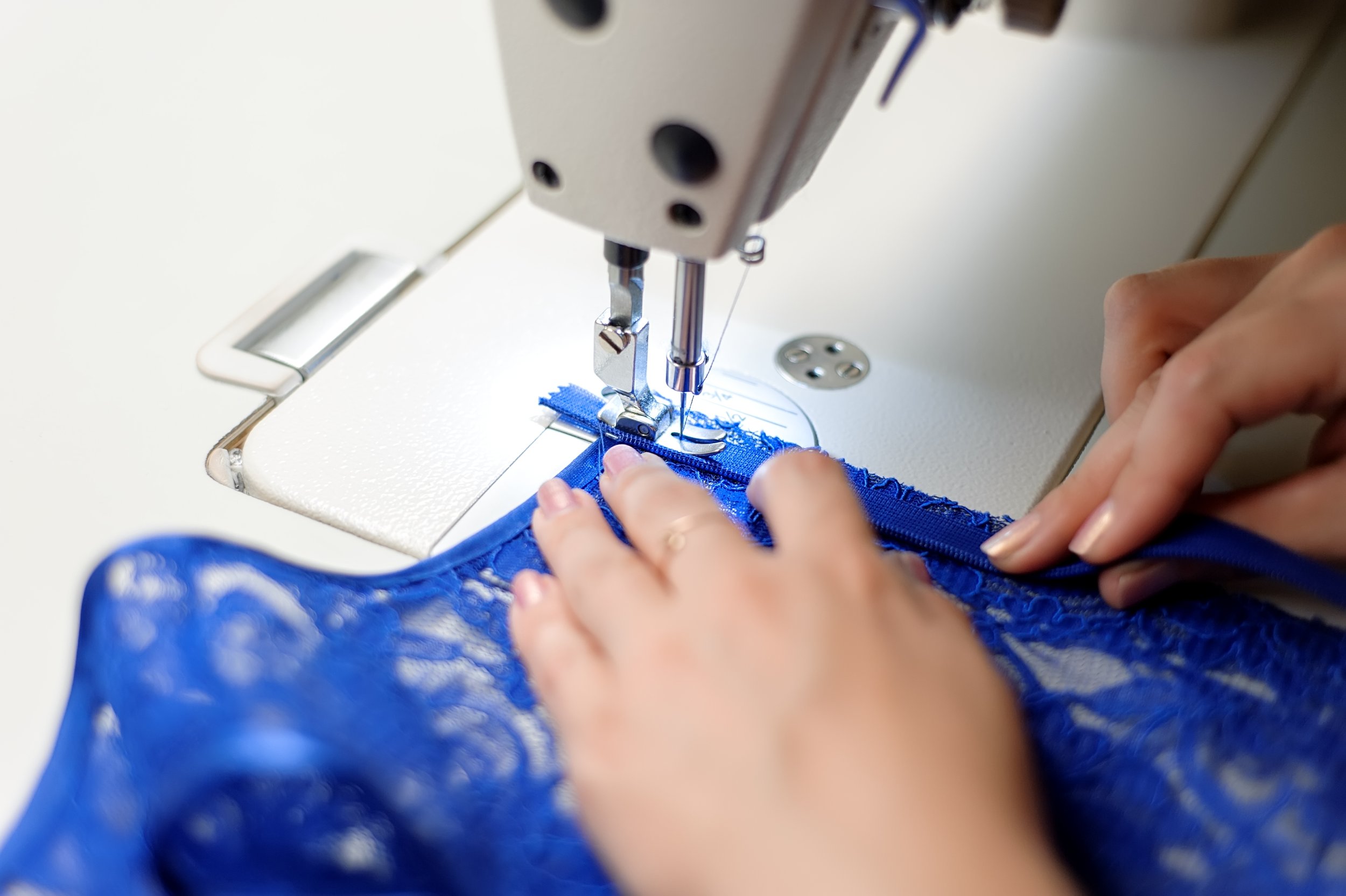
Domestic skills tend to get shoved into a narrow box. Either they’re framed as outdated, unnecessary, or only relevant if you fit a very specific lifestyle. Some women appear to be almost proud to announce they “aren’t domestic”. But in reality, what they are missing are simple life skills - tools that make daily living smoother regardless of whether you work full-time, stay home, run a business, or do some creative blend of all three.
Let’s be honest: most modern households depend on some form of help; cleaners, childcare, grocery delivery, handymen, meal kits. That’s not a failure, and no one should feel ashamed for needing support; in many cases, it’s essential. Still, not everyone can afford that help. Some people need support in a pinch but lack the skills or confidence to handle certain tasks themselves. Others overlook how important it is to pass practical life skills on to their children.
Now more than ever, these skills matter because they give women options, whether help is available or not. The goal isn’t to do everything yourself, it’s to feel capable, calm, and in control of your environment.
A peaceful home doesn’t require perfection, either. It requires systems, confidence, and a few core skills that prevent small problems from becoming daily stressors.

The Real Frustration Women Share
What I hear again and again from women in the Fascinating Womanhood community isn’t a desire to “do it all.” It’s a desire for life to feel easier. They want homes that function smoothly, days that don’t feel perpetually behind, and family life that feels supportive rather than draining.
For many women, the issue isn’t laziness or lack of effort; it’s lack of exposure. These skills were never taught. Or they weren’t needed at the time. Or there was always someone else to handle them. Until suddenly, there wasn’t.
Can you relate? That gap in domestic knowledge often shows up in small but stressful moments, such as:
A light burning out right before guests arrive
A simple stain that ruins a favorite outfit
A cluttered kitchen that feels impossible to reset in time
A surprise expense that throws off the whole month
There’s no universal instruction manual for everyday life. Most of us learn by trial and error, usually after the error has already cost us time, money, or peace of mind.
And as help becomes more expensive, less reliable, or simply unavailable, those gaps feel heavier than they used to.
Looking back, many women realize there are a handful of practical skills they wish they had learned earlier, not because they’re glamorous, but because they quietly make life calmer, steadier, and more manageable.
Here are five of the biggest ones.
1. The Reset Habit (Clean As You Go)
You know the scene.
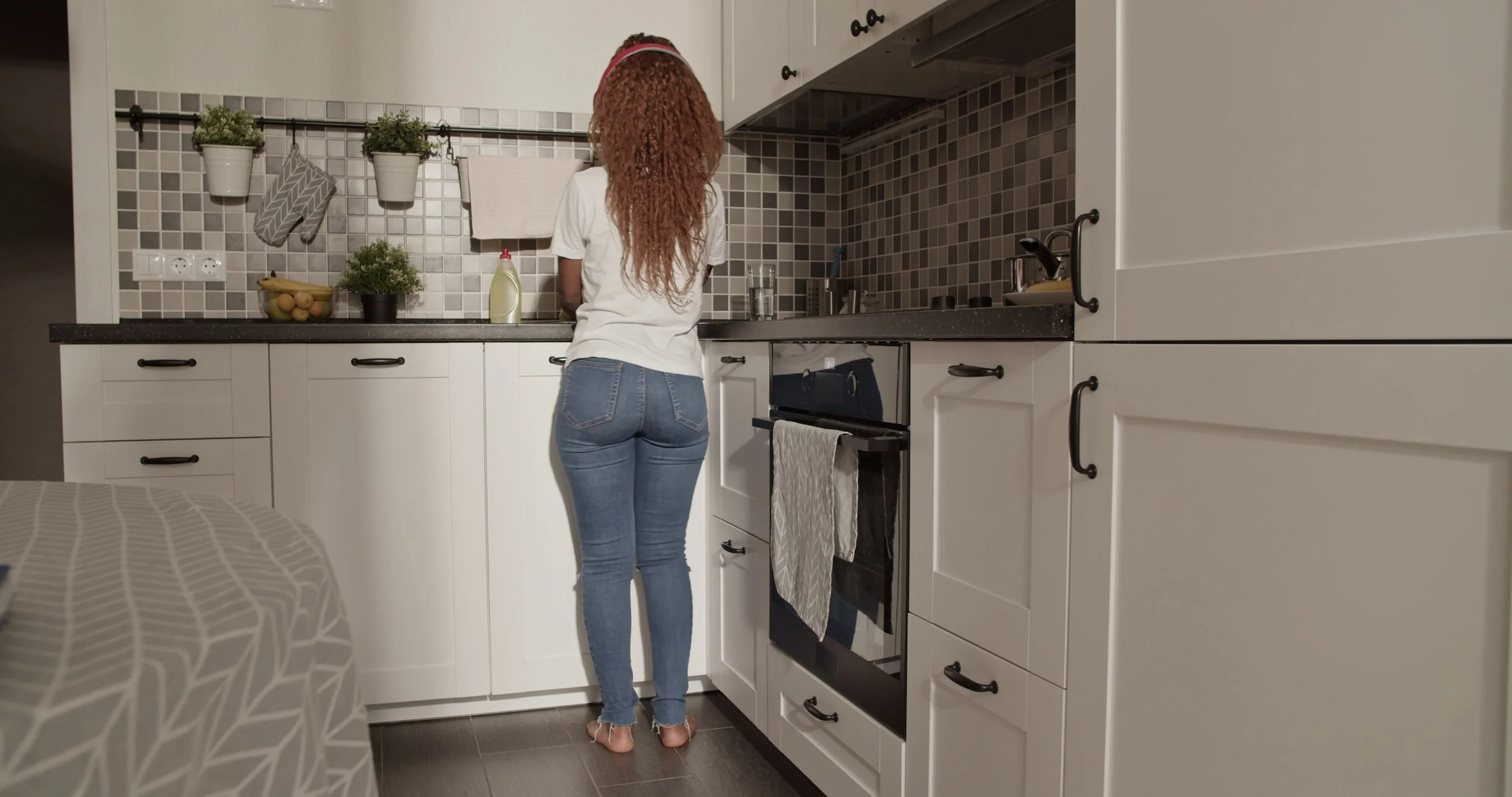
You wake up at 6 a.m. after a very average night of sleep… straight into a kitchen that looks like it hosted a midnight potluck. Dishes stacked, fridge questionable, microwave splattered like it survived an explosion.
Suddenly, the day feels heavier - and it hasn’t even started yet!
Cleaning feels exhausting not because it’s hard, but because it piled up. When mess accumulates, it turns into a psychological weight. The trick isn’t deep-cleaning marathons, it’s learning the art of the reset.
“Clean as you go” isn’t about being meticulous or obsessive. It’s about preventing mess from becoming a project. When this habit clicks, something magical happens: your home stays mostly tidy without requiring massive effort.
It stops feeling like punishment and starts feeling like maintenance.
Simple reset rules that actually work:
Wipe surfaces while you’re already standing there
Put items away immediately instead of promising “later”
Put your home “to bed” with a 5-minute nightly tidy
Clean spills the moment they happen (future-you will thank you)
Start meals with an empty dishwasher so dishes go straight in
Try a mandatory 10-minute family clean after dinner, shockingly effective
These are small actions, but habits compound. The reward isn’t a spotless home, it’s waking up without dread.
2. Budgeting (Yes, No Matter How Much You Make)
Budgeting is not a punishment reserved for people who are “bad with money.” It’s a life skill every woman should learn.
Whether you’re living paycheck to paycheck or earning very comfortably, you need to understand where your money goes. Why? Life has a way of throwing curveballs when you least expect them.
I once knew a family who appeared completely carefree financially. Then life intervened. One parent had to leave work unexpectedly to care for a critically ill loved one. Hiring help wasn’t an option. Income was cut in half overnight.
What saved them wasn’t luck, it was preparation and the ability to plan for the future.
They had long-term investments and financial awareness that allowed them to survive the disruption without panic. Two years later, life stabilized with no lasting damage.
Being able to navigate any financial situation allows you to not only be prepared for anything life throws at you, it allows you the peace of mind to live with limited financial stress.
Foundational financial skills worth learning early:
Managing a savings account, even if it starts small
Shopping strategically (bulk buying, price comparison, coupons)
Setting realistic financial goals and working toward them
Knowing roughly what you spend on major categories like groceries (yes, even if you have plenty of financial flexibility)
Keep in mind; financial awareness isn’t about restriction, it’s about freedom.
And for women who don’t lead finances in their household: that’s perfectly fine. Shared leadership still requires shared understanding. Knowing how money works allows you to collaborate confidently on goals, decisions, and long-term planning.

3. Cooking That Pays You Back
Speaking of finances, it’s very hard to budget, or stay healthy if dinner is always, “So… what restaurant are we ordering take out from tonight?”
Knowing how to cook a handful of reliable meals saves money, reduces stress, and eliminates daily decision fatigue. It also prepares you for seasons of life where convenience isn’t always available.
And yes, takeout has its place. But feeding yourself and your family well is not only deeply empowering, it’s healthier and less expensive.
Skills that make the biggest difference:
5–10 repeat meals you genuinely enjoy making
Cooking with staples like rice, pasta, eggs, and beans
Using spices to make simple food taste amazing
Repurposing leftovers instead of wasting them
Taking risks in cooking and baking (bread is a game-changer)
The goal isn’t fancy, it’s flexible. Confidence in the kitchen adapts to every phase of life.
4. The Art of Not Doing It All
You’ve done it.
Groceries in hand. Phone to your ear. Homework deadlines spinning in your head. Delegating chores as you pass through the room.
Multitasking like a seasoned pro!
Sure, you could delegate - but let’s be honest, doing it yourself feels faster, cleaner, safer. Plus, it gets done right the FIRST TIME.
Until one day, exhaustion taps you on the shoulder. Oh dear.
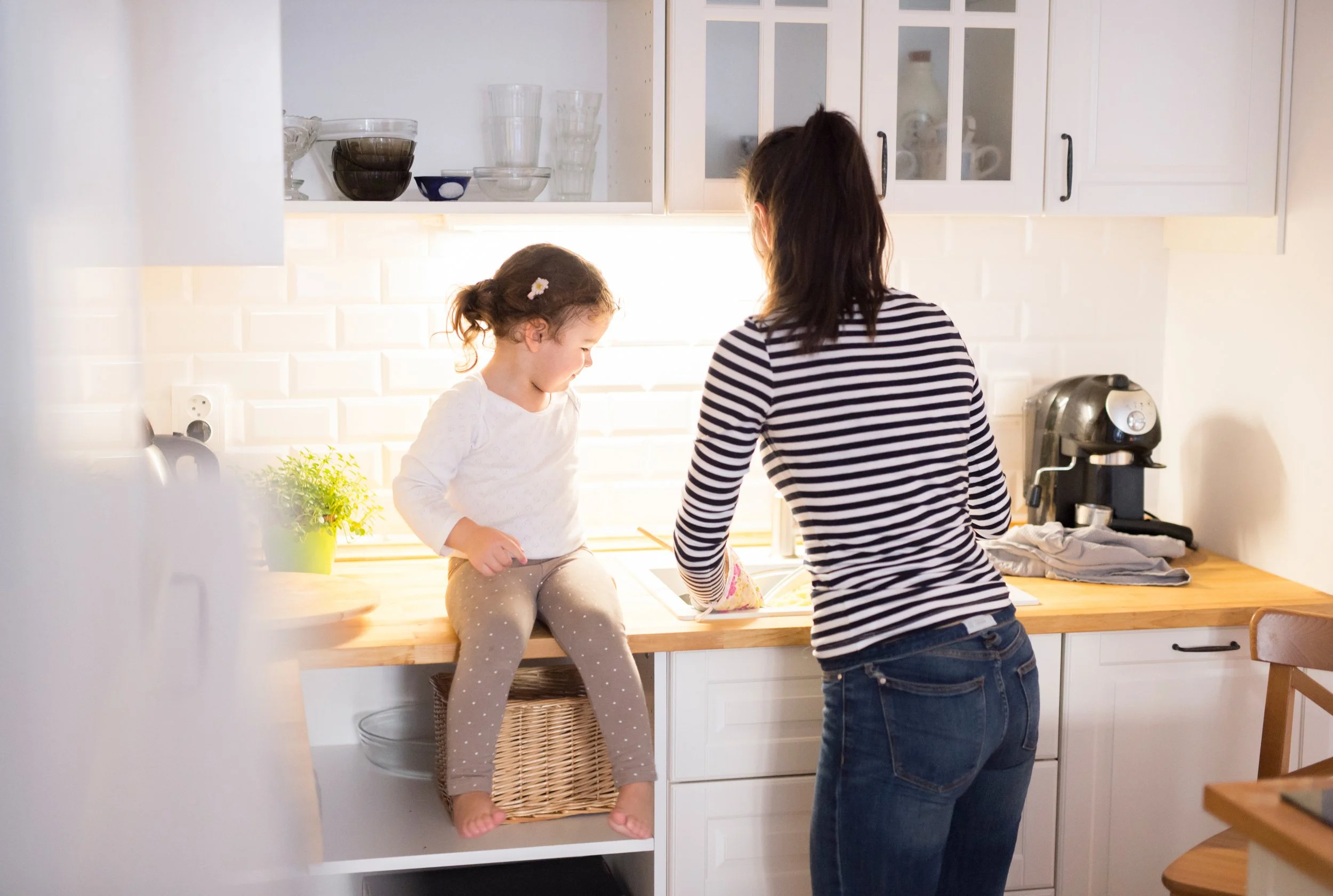
The truth is that women are exceptional multitaskers, but sometimes that superpower turns into chronic exhaustion. Most women aren’t overwhelmed because they’re incapable. They’re overwhelmed because they’re carrying everything alone.
Instead of living by the motto “If you want it done right, do it yourself,” try this instead:
Delegation isn’t weakness — it’s leadership.
When you learn the art of delegation, your abilities expand in a way that feels almost magical - suddenly, you’re operating on a level that could rival a real-life Mary Poppins.
Ways to delegate without resentment:
Ask clearly instead of hinting (“Will you pick up Italian for dinner for tonight?”)
Let go of perfection (done beats perfect!)
Assign ownership, not just tasks (“will you be in charge of all of our car maintenance?”)
Delegate the right tasks to the right person (I doubt your husband will feel confident picking out your daughter’s first pair of earrings)
Accept different methods and outcomes (it’s ok if your husband makes mac and cheese for dinner once in a while)
Your husband won’t do things your way. Your kids won’t do them perfectly. That’s how competence is built.
Remind yourself, you don’t get a medal for being burned out!
5: Mastering Everyday Fix It Skills
You’ve got 30 minutes before an unexpected overnight guest arrives - and then you see it. A mysterious stain on the guest room carpet. The kind of stain that doesn’t just come out with your handy stain remover in 2 minutes.
There’s no time to call for help. This is one of those moments that just happens in life.
While outsourcing can be helpful, even wise - knowing how to handle a few basic fixes for yourself builds a quiet confidence you can always fall back on. A few tricks up your sleeve is all it takes to perform mini-miracles in life.
The bonus? There’s something deeply attractive about a capable woman who can solve small problems calmly and efficiently.
Worth knowing how to do:
Change light bulbs and reset breakers
Sew a button and hem clothing
Remove stains properly, especially tough ones!
Sanitize surfaces effectively
Organize problem areas (closets included)
Unclog sinks or toilets safely
Tighten loose screws
Care for shoes and clothing
Clean appliance filters
Know when to steam vs. iron
None of these are difficult, but not knowing them adds up fast.
