
Going from good to great with cooking

Let’s talk about something that comes up constantly in conversations with our Fascinating Womanhood ladies:
“How do I get better at cooking?” or “How can I make amazing meals QUICKLY?”
Because let’s be honest, most of us are not chefs. Even fewer of us ever imagined culinary school as a life path. And yet, day after day, we’re expected to stand in front of a stove and produce something nourishing, comforting, and ideally… enjoyable. Preferably without crying, burning dinner (or our fingers), or creating a mess that makes us question all our life choices.
So today, we’re talking about how to level up your everyday cooking skills - not in a pretentious, Michelin-star, foam-on-a-spoon way, but in a real-life, family-fed, sanity-intact way.
I firmly believe that every woman, young or old, should know how to create a little magic in the kitchen without feeling like she leaves it sweaty, frazzled, and surrounded by chaos. Cooking should feel grounding. Empowering. Even joyful. And yes, sometimes impressive!

Meet the Domestic Goddess
(She’s More Relatable Than You Think)
Before we go any further, let’s talk about this mysterious creature known as the Domestic Goddess.
No. She does not float through her kitchen in a silk robe whisking soufflés at sunrise. She was not born knowing how to make sourdough. She does not have a pantry that magically refills itself overnight.
The Domestic Goddess is simply a woman who chooses to grow her skills at home with intention and joy instead of resentment and exhaustion.
She experiments
She messes up
She learns tricks
She laughs when dinner flops
She gets better over time
And most importantly, she understands that feeding people well is one of the most powerful and underrated ways to create warmth, connection, and comfort in a home.
And yes, we’re going to say the cliché, because clichés exist for a reason:
The way to a man’s heart really is through his stomach.
But honestly?
The way to anyone’s heart is food that says, “I thought about you.”

A Brief (But Important) Pause for History
Historically, the phrase domestic goddess referred to a woman admired for her ability to manage a home with skill, order, and grace. While the phrase itself wasn’t always used, the concept existed for centuries, particularly in Victorian and Edwardian England, where the home was seen as a woman’s realm of influence.
In 1963, my mother used the phrase “The Domestic Goddess” in her bestselling book, Fascinating Womanhood, to describe something deeper and more intentional: a woman who brings warmth, beauty, and emotional peace into her home through joyful, willing homemaking. Not perfection. Not drudgery. But choice.
A Domestic Goddess creates a home that feels like a refuge. A place of rest. A place where people want to return.
Translated into modern life, the goal remains the same:
a peaceful, happy home - without chaos or burnout.
And that brings us to the practical part.
1: Be Adventurous (Even When You’re Tired)
Having staple recipes is essential. In fact, I insist you have them, especially if you’re busy or feeding people with specific preferences or restrictions! If you don’t already have at least five reliable meals you can make without thinking, make it your mission to find them, write them down, and keep the ingredients stocked.
But here’s the truth: if you only cook those meals, you’re not growing, you’re looping.
Trying new recipes is how those staples were created in the first place.
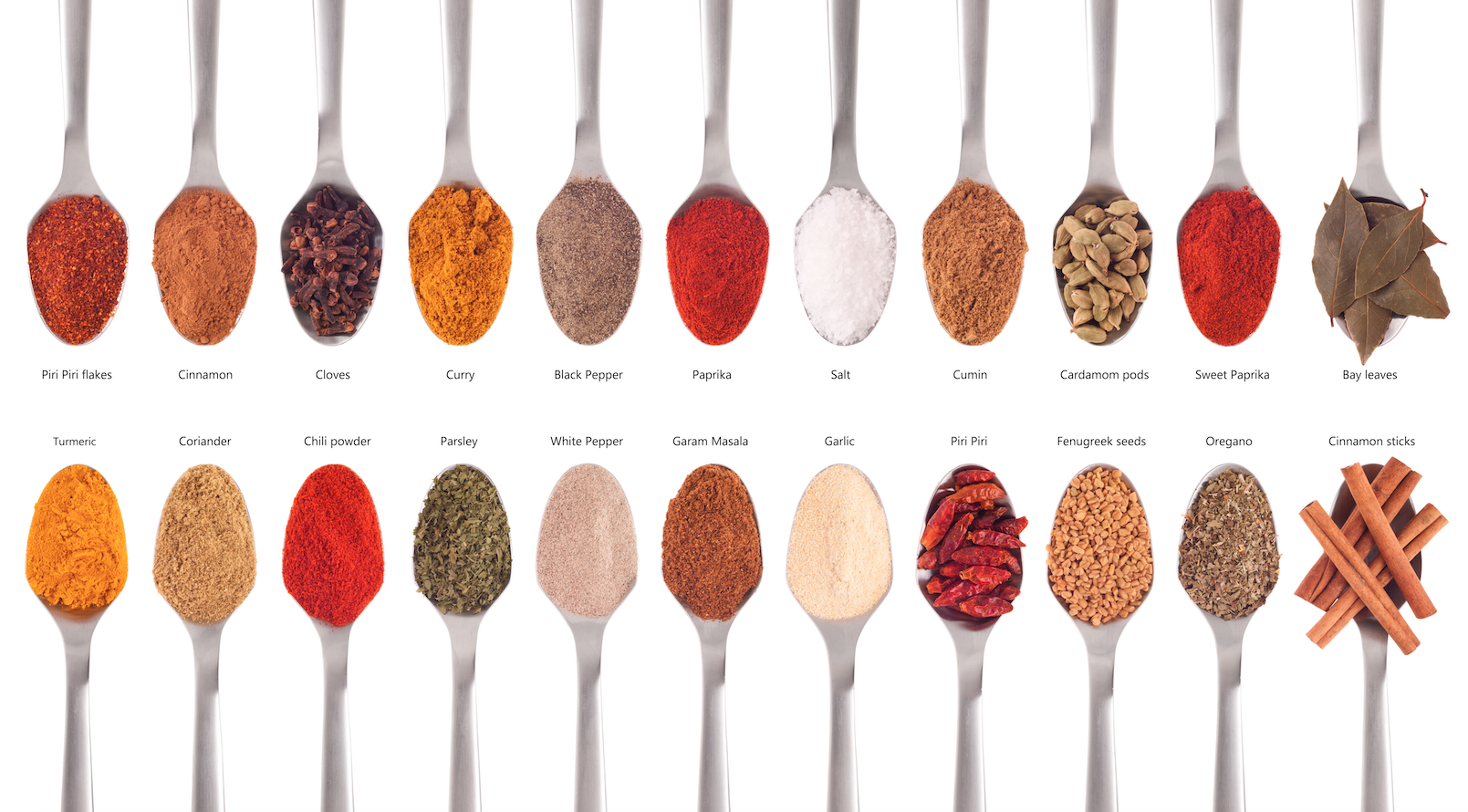
Being adventurous doesn’t mean complicated. It can be as small as a new sauce, a different spice blend, or a new way to roast vegetables. One new recipe a week is plenty.
Some nights will be a triumph.
Some nights will be, “Well… that was educational.”
Both count!
My Fascinating Tip: Protect your staple meals. Don’t experiment on the dishes everyone cheers for. Keep those the same. Adventure belongs in side dishes, desserts or an entirely new meal altogether.
2: Cream Reductions (The Cheat Code to Feeling Fancy)
There are very few problems in life that a cream reduction can’t improve.
Pasta. Chicken. Mushrooms. Even leftovers that feel lonely and forgotten in the fridge.
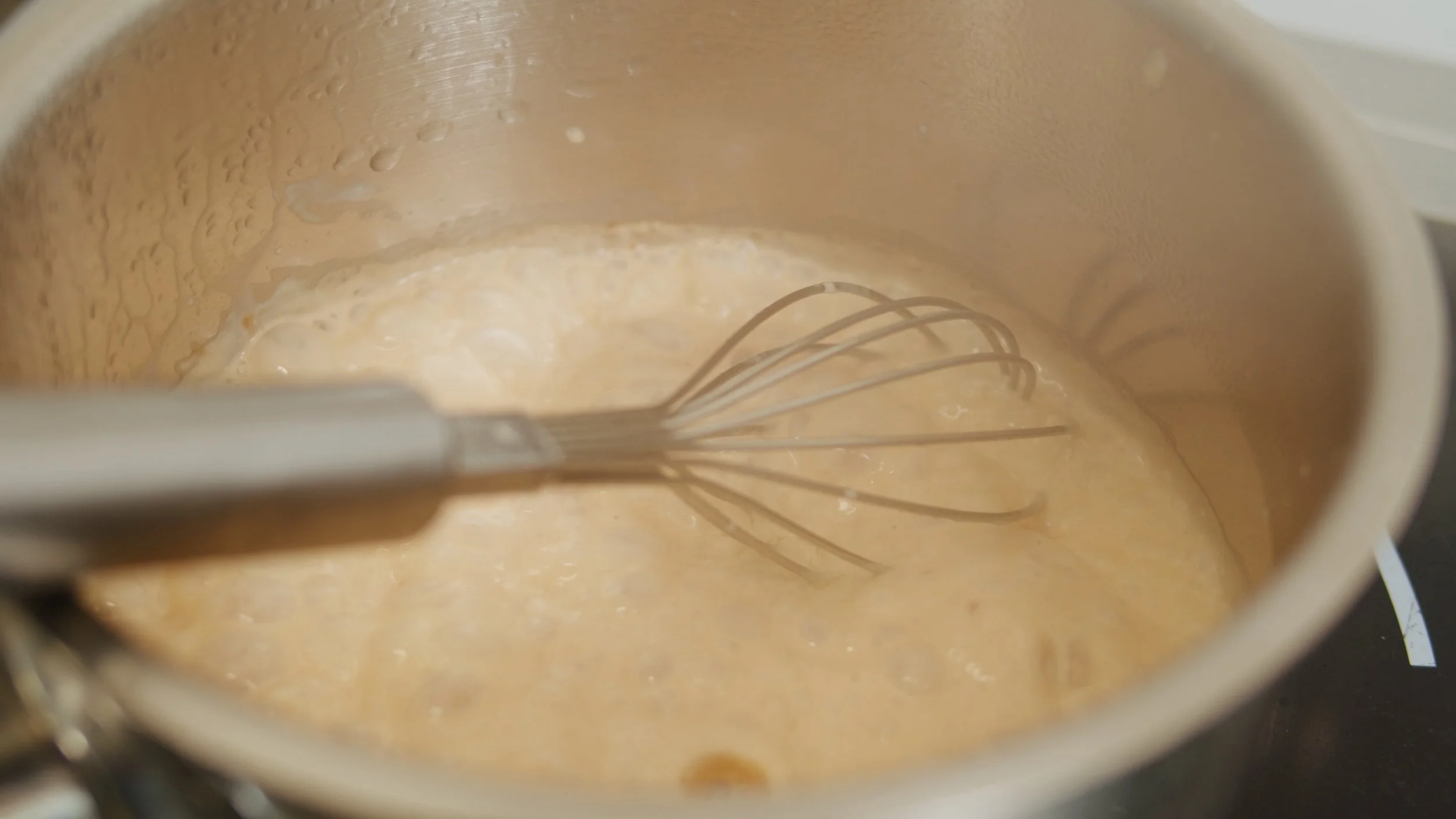
A cream reduction is simply cream gently simmered on the stove until it thickens. No flour. No cornstarch. No stress. As it cooks, the flavor concentrates and the texture becomes silky and rich.
Now here’s where the magic really happens: when you use cream in a pan where meat was cooked.
Those browned bits left behind, the fond, are pure flavor! When you add cream, it lifts those bits, captures the flavor, and turns it into a sauce that tastes like it took serious skill.
My Fascinating Tip: Not cooking meat? Cream simmered with garlic, herbs, and salt still works beautifully. This is one of those techniques that quietly upgrades your cooking reputation overnight.
Summary:
Cream alone = valid cream reduction
Cream + seasoning = better
Cream + pan drippings = restaurant-level flavor
Suddenly, dinner feels expensive.
3: Chicken Stock Is Liquid Gold
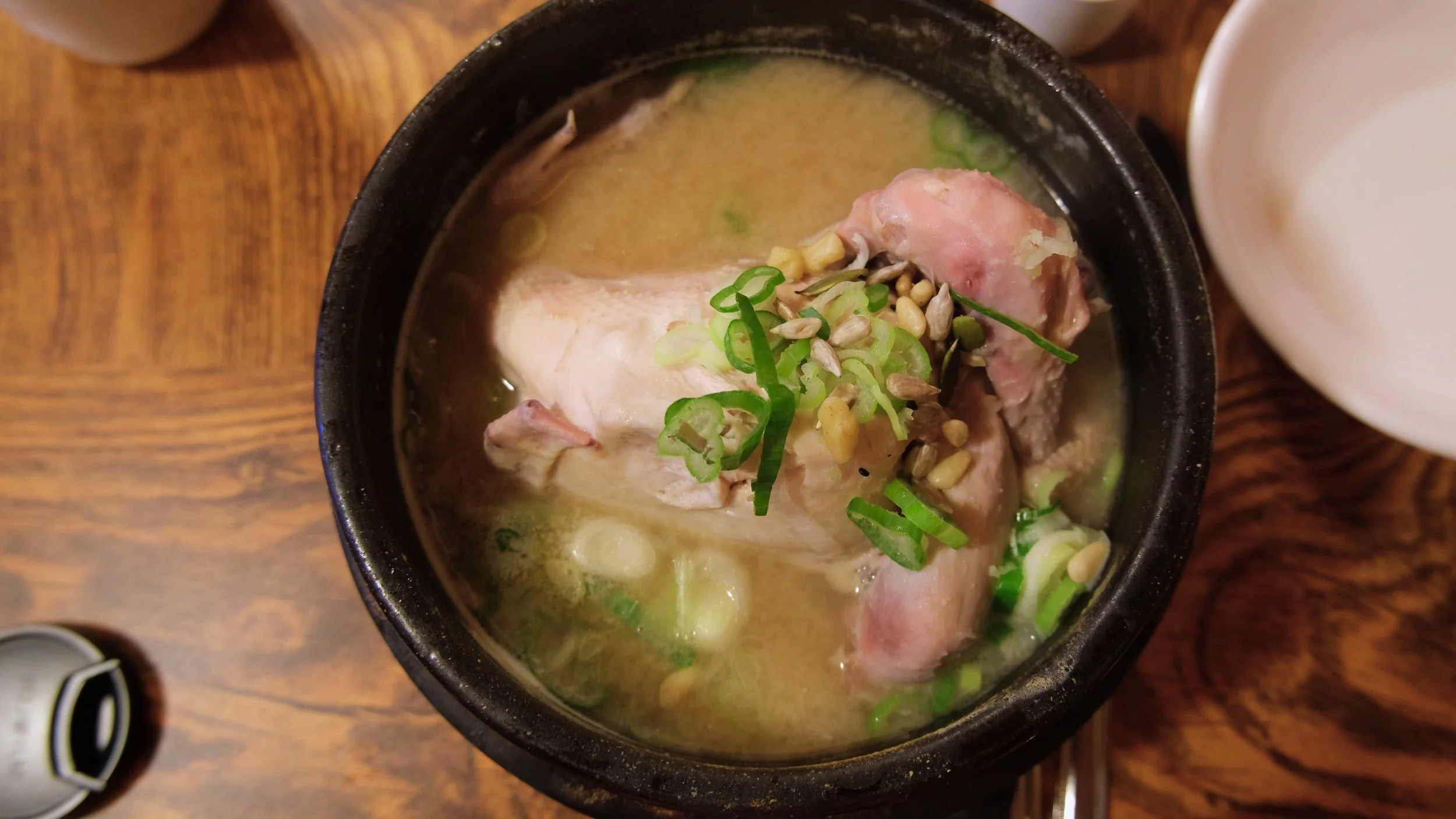
This one is shorter because it’s EASY. Store-bought stock is fine, so do not get too caught up on having to make your own. Homemade stock, however, is a personality trait. Homemade stock also has enormous health benefits - say hello to liquid collagen, Vitamins A and B, Calcium, Potassium just to name a few.
When food tastes like it came from someone who “really knows what they’re doing,” chicken stock is often the reason. And it’s easier to make than you ladies might think.
How to make it: Roast a chicken. Save the bones. Toss them in a pot with onion scraps, carrot ends, celery tops, garlic, peppercorns, and water. Simmer. Strain. Freeze.
Then use it everywhere you’d normally use water, soups, sauces, rice or gravies. It’s that simple.
My Fascinating Tip: Simmer for 12-24 hours if you can - low and slow. Add a small splash of apple cider vinegar to pull the minerals out.
4: Salt Is Not the Enemy
Most food that tastes “meh” isn’t missing talent, it’s missing the correct amount of salt. Salt doesn’t make food salty. It makes food taste like itself.
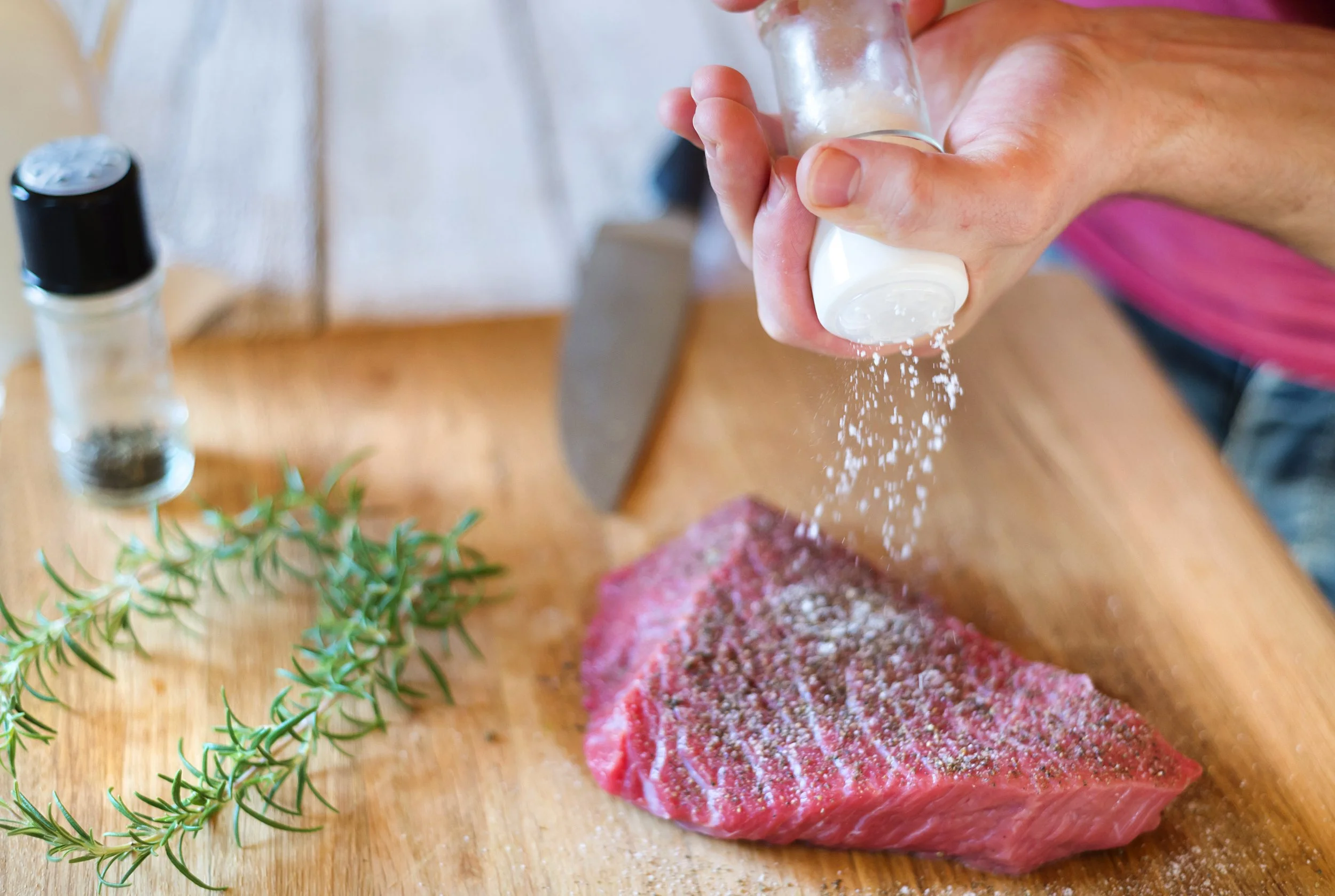
The real skill is timing. Many of us make the honest mistake of dumping table salt at the end. The key is to salt throughout the cooking process to ensure the flavor is sinking in at the right times. Each recipe or ingredient might require salt to be added at different times.
For example:
Most meats need salt before cooking.
Potatoes and rice need salt during and after.
Most breads needs salt once yeast has developed, otherwise the yeast slows down.
An easy tagline to tell yourself: Late salt equals salty food. Early salt equals flavorful food!
My Fascinating Tip: Experiment with different types of salt. There are SO MANY! I use Kosher Salt for almost all of my cooking. Sprinkle it into your water before you boil…you’ll be shocked at how much control you suddenly have over flavor. Table salt is best for soups, marinades or anything you make that requires faster dissolving.
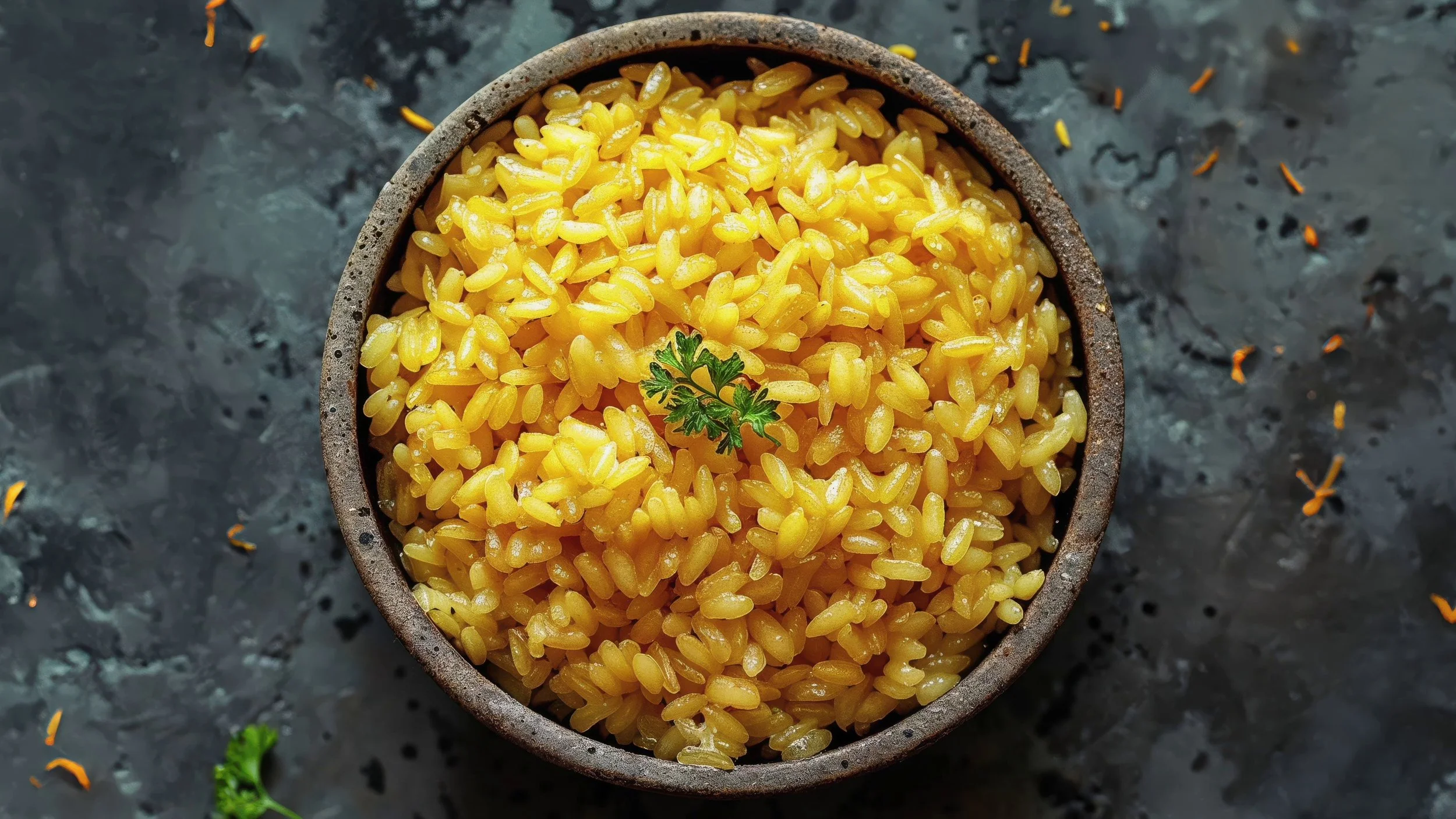
5: Mastering Rice = Unlocking 30% of Life
Did you know that more than half the world eats rice every single day?
Rice is a daily staple for over 50% of the global population, making it one of the most widely eaten foods on Earth. It shows up in nearly every cuisine imaginable. From sushi in Japan and risotto in Italy, to jambalaya in the United States and biryani in India, rice adapts beautifully to countless flavors, spices, and cooking styles.
It can be savory.
It can be sweet.
It can even be a drink!
Rice works just as well in main dishes as it does in desserts like rice pudding, and it’s used to make beverages such as rice milk and sake. That level of versatility is rare, which is exactly why a tip about rice deserves a place of honor here - it’s that important.
But here’s the problem: bad rice ruins everything.
Good rice, on the other hand, quietly carries entire meals on its back.
And mastering rice isn’t just about flavor. It’s about method.
Learn one method you trust and stick with it. For me, a rice cooker is unmatched - consistent, forgiving, and effortless. You might swear by your stovetop method, and that’s perfectly fine too. The key is confidence and consistency.
What I do encourage you to avoid, if you can, are boxed or pre-cooked rice products. They tend to turn gummy, lack freshness, and are often filled with preservatives. Making rice from scratch is not only better tasting, it’s usually cheaper.
My Fascinating Tip: Once you’ve mastered your method, start experimenting. Remember Tip #3? Try cooking rice in chicken stock instead of water, or use coconut milk for something richer. Finish with butter, salt, and herbs for extra fluff and flavor.
Bonus Tip: Long grain rice like Basmati or Jasmine are much better for casseroles or stews.
Suddenly, your “boring rice” becomes the part of the meal everyone talks about.
6: Planning Ahead Saves Your Sanity
You know that feeling.
It hits somewhere around late afternoon:
“Oh no… what are we doing for dinner?”
Or worse: “I completely forgot about dinner.”
Yes, we’re busy. Life moves fast. We juggle work, family, responsibilities, and exhaustion. But even the busiest among us can think just a little smarter about the very fuel that keeps us going - literally. This is why a tiny bit of planning goes a very long way.
It means fewer 5:47 p.m. panic moments
Fewer last-minute scrambles that result in a cardboard tasting meal
More calm. More confidence. More peace.
Meal planning doesn’t have to be complicated or rigid. In fact, it starts in the most obvious place: the grocery store, a place you’re already visiting often.
Learn to shop with intention. When you do a real grocery trip (not a quick milk run), aim to buy everything you need for the upcoming week’s meals. Arrive with recipes in mind. Know what dinners you’re planning.
Staple recipes should always be stocked. These are your anchors. I make at least one staple meal every week, so it’s automatic that the ingredients are always on hand.
My Fascinating Tip: Buy in bulk, when possible - it saves time and money. Then, when you need to grab fresh produce midweek, it’s a quick, efficient trip - not a full meal hunt.
Bonus Tip: Do small things ahead of time. While dinner is cooking, prep tomorrow’s meal. Toss chicken into a marinade. Chop vegetables. Double a recipe for leftovers. Example: I love making my Sunday desserts on Saturdays.
Planning ahead feels like a quiet gift you give yourself, and you’ll feel the gratitude later.

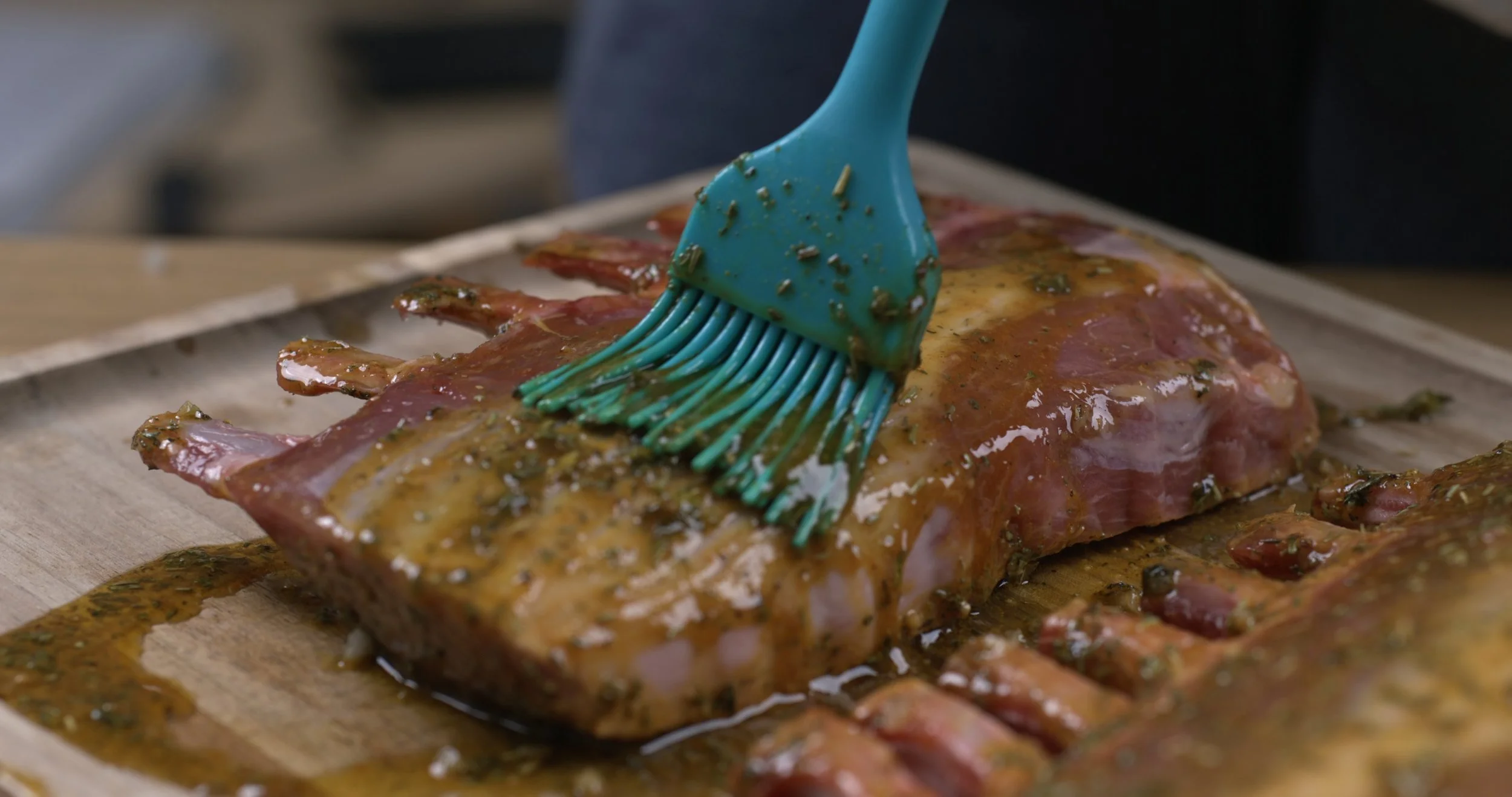
7: Marinades Are Effortless Flavor
This one sounds obvious, but you’d be surprised how many people skip marinades entirely.
And that’s unfortunate, because marinades are one of the easiest ways to elevate food with almost no extra effort.
A good marinade doesn’t need to be complicated. At its core, it’s simple:
Oil
Acid
Salt
Something aromatic
Something sweet
That’s it.
Here’s the magic part: when you marinate meat ahead of time, especially overnight - you essentially skip the seasoning step at dinnertime. The meat is already flavorful. All you have to do is cook it.
It’s important to understand this: marinades add flavor more than they tenderize. That’s actually good news. Many new cooks assume marinades need hours to soak deep into the meat, but in reality they mostly season the surface, which is exactly where your taste buds engage first.
This means:
You don’t need complicated recipes
Even 30 minutes makes a difference
What’s on the outside is what you taste most
That’s the formula.
My Fascinating Tip: Don’t overdo the acid. Too much can make meat mushy.
Thirty minutes can turn boring chicken into something people request again. Overnight? Now you’re a legend.
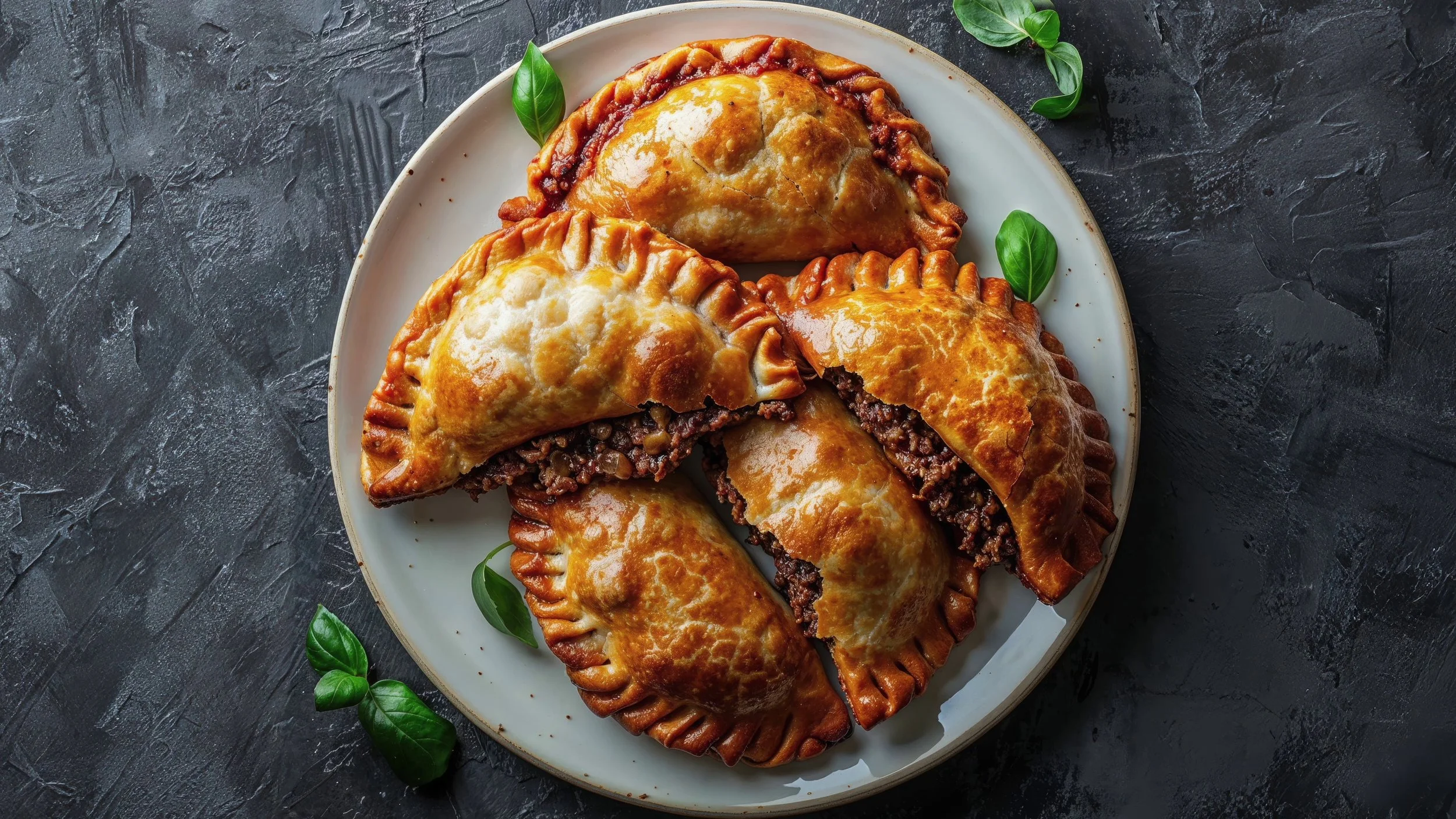
8: Puff Pastry Is a Secret Weapon
You know those French bakeries that sell quiche, savory tarts, chicken pot pies, and decadent pastries that smell so good they make you want to move in?
That magic is called puff pastry, and you don’t have to make it from scratch to use it well.
Yes, homemade puff pastry exists. And yes, it takes time, which most of us simply don’t have. Thankfully, store-bought puff pastry is excellent and close enough to homemade that almost no one can tell the difference.
Keep a box in your freezer. They last a long time, and when inspiration (or desperation) strikes, you’re ready.
Leftovers become impressive.
Simple ingredients feel intentional.
Dinner looks elegant with minimal effort.
My Fascinating Tip: Wrap it around brie. Fill it with apples. Top it with mushrooms and cheese. Take leftover roast and vegetables, add puff pastry on top, and turn it into a pot pie. Make savory twists.
People will think you worked very hard.
You didn’t.
You worked strategically.
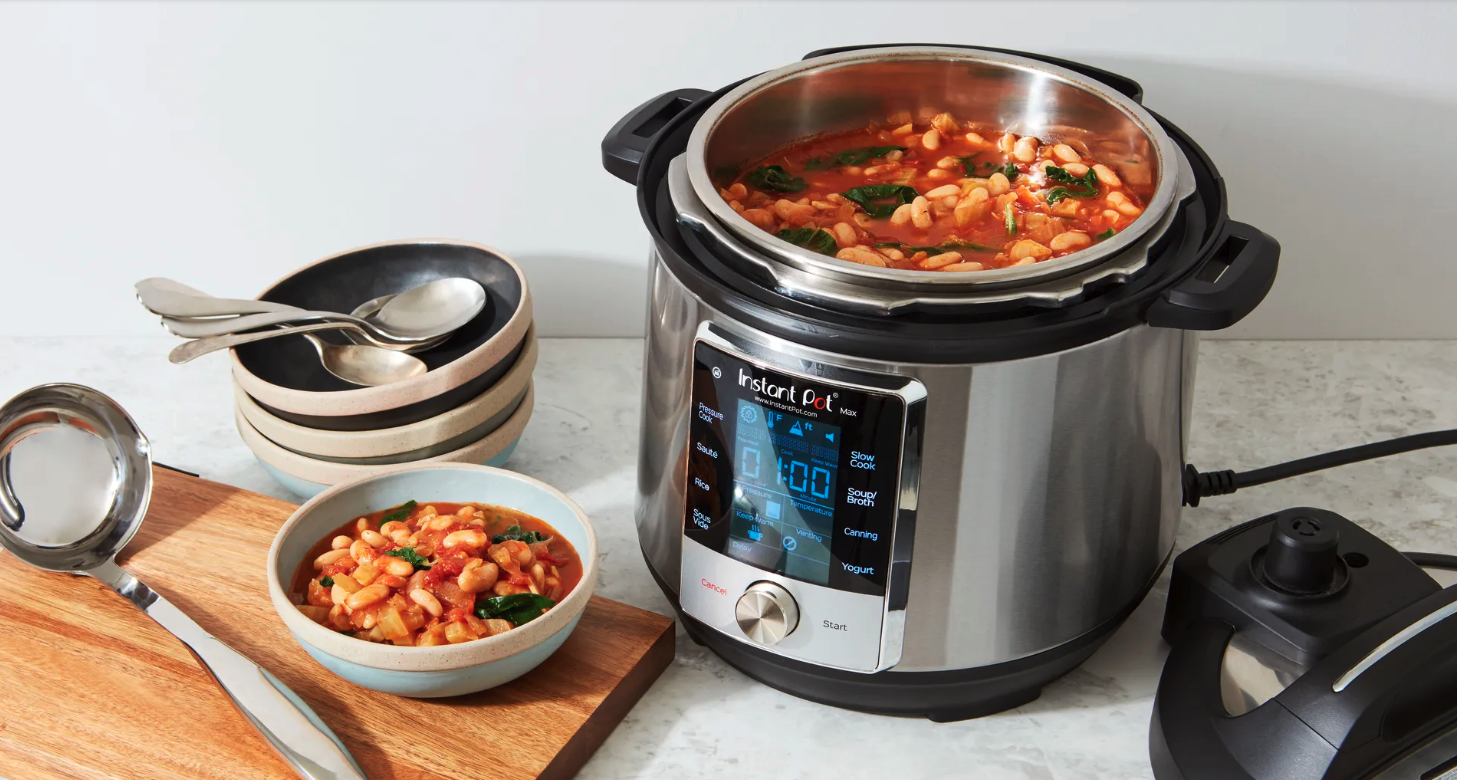
9: Crock Pots & Instant Pots = Domestic Goddess Assistants
These appliances exist for chaotic days - and sometimes, they genuinely change lives.
I even share a story in my book about how a crock pot saved a marriage. Two exhausted parents, long work hours, hungry evenings, constant tension. Dinner was always rushed, stressful, and late.
When the crock pot entered their lives, everything shifted. Meals were ready. The house smelled warm and inviting. Stress lowered. Arguments stopped.
This is not an exaggeration.
Slow cookers and Instant Pots remove emotional labor from cooking. You load them. You walk away. Life happens. Dinner still shows up.
Soups, stews, roasts, shredded meats, beans, even desserts - all benefit from these tools.
And yes, rice cookers deserve a mention here too. If you don’t want multiple appliances, the Instant Pot’s rice function works beautifully.
Tip: Bonus points if your staple recipes work in these appliances. Use them shamelessly.
Epicurious: Photo by Joseph De Leo, Food Styling by Kaitlin Wayne
10: Bread Basics Change Everything
You can buy bread. That’s fine.
But if you’ve ever eaten homemade bread, you know there’s no comparison. Knowing how to make it is like knowing how to speak a second language - it comes in handy. Bread making is especially great for vegetarians and vegans because it’s not only filling, the recipe options are endless!
But what if you’ve never made it and are a bit afraid to get started? Bread making can feel intimidating at first, but it doesn’t have to be. You don’t need to become a sourdough monk. You just need to learn a few basics. Watch this video I made on my favorite recipe!
Once you learn just one simple recipe, everything opens up: sandwich loaves, rolls, pizza dough, flatbread.
Doesn’t it take a lot of time? It can, depending on the recipe. But there are many ways around making it quickly. If you work full time, let the dough rise in the fridge during the day. Or plan ahead and bake multiple loaves on a day off and freeze them for later. Homemade bread freezes beautifully.
Tip: Watch your flour. Most recipes call for too much. Trust the feel of the dough more than the measurements. It should be soft and slightly sticky. If it feels like a flour-coated bowling ball, it’s begging for mercy.
And the smell?
The smell alone will make your home feel warm and nurturing in a way candles never will.
The Takeaway
Going from good to great with cooking isn’t about perfection.
It’s about curiosity. Consistency. And a little playful confidence!
You don’t need a bigger kitchen. You don’t need better appliances. You don’t need a culinary degree. You just need the willingness to try, tweak, taste, and try again.
